


News
The Role of Night Guards in Preventing Teeth Grinding
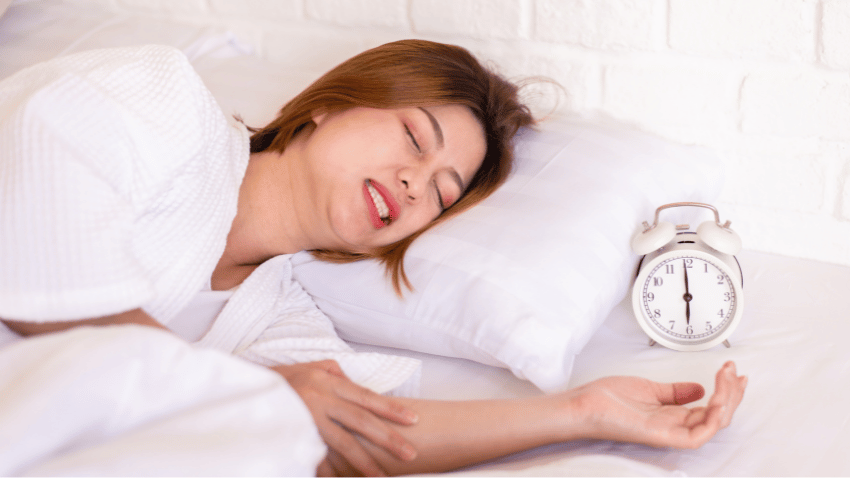
If you frequently wake up with a sore jaw, tooth sensitivity, and a dull headache, you may be experiencing teeth grinding. Let’s explore the harmful effects of teeth grinding and the benefits of night guards with Viet Dental Lab in the following article.
Harmful Effects of Teeth Grinding
According to the American Dental Association, about 10-15% of adults are affected by teeth grinding, also known as bruxism. Teeth grinding during sleep can cause the following harmful effects:
- Wearing down of tooth enamel, especially on the main biting surfaces, making teeth more sensitive and susceptible to damage.
- Tooth damage such as cracks, fractures, or broken pieces.
- Constant pressure on the jaw can cause pain and inflammation in the jaw joints, leading to temporomandibular joint disorder (TMJ), and difficulty in opening and closing the mouth.
- Continuous grinding during sleep can fatigue and strain the jaw muscles, leading to symptoms like jaw muscle pain, ear pain, and headaches.
- Disrupted sleep patterns and other sleep issues such as insomnia, restless sleep, and fatigue upon waking.
Teeth grinding during sleep can cause fatigue and discomfort, affecting the quality of sleep and overall mental well-being. If left untreated, teeth grinding can also have negative impacts on overall health and quality of life.
Benefits of Night Guards
There are many measures to reduce the impact of teeth grinding, and one of the most common methods is using night guards.
A night guard (also known as a dental guard or bite splint) is a plastic device placed in the mouth. This device prevents the teeth from grinding against each other, helping to avoid chipping or cracking of the teeth and reducing jaw muscle strain.
Here are some benefits of night guards:
- Reduces Tooth Enamel Wear: Night guards create a protective layer between the upper and lower teeth, reducing direct contact between tooth surfaces during grinding, thereby decreasing the risk of enamel wear.
- Protects Tooth Structure: Night guards help reduce pressure and impact forces on the teeth and jaw structure, lowering the risk of tooth fractures, chips, and cracks.
- Alleviates Jaw and Joint Pain: Night guards can reduce tension and pressure on the jaw and temporomandibular joints.
- Relaxes Jaw Muscles: Night guards help relax the jaw muscles, reducing symptoms like jaw muscle pain, earaches, and headaches.
- Improves Sleep Quality: Night guards reduce teeth grinding during sleep, thereby improving sleep quality.
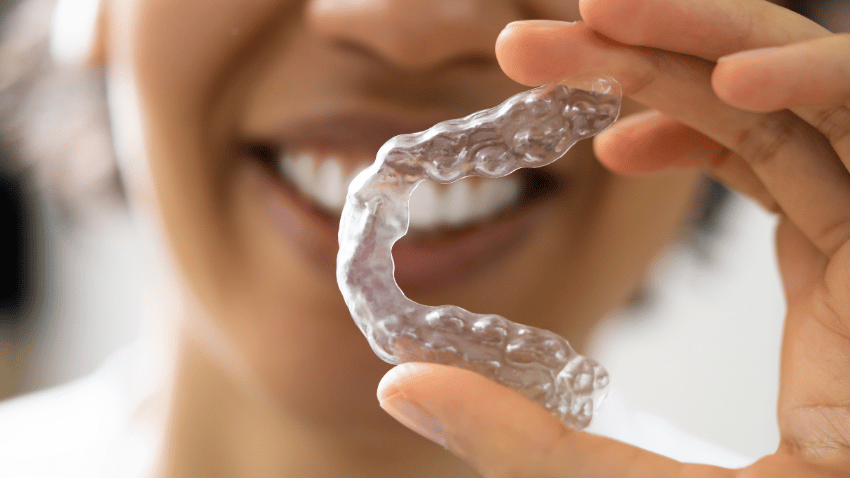
Night guards can be purchased over-the-counter at most pharmacies. To use this device, you simply boil it, let it cool for a few seconds, and then fit it to your teeth for a custom fit.
Additionally, dentists also provide professional dental guards, which are custom-made in a specialized lab from an impression of your teeth. These guards are usually of higher quality and fit better, although they may be more expensive than regular over-the-counter night guards.
It is important to note that night guards do not address the underlying cause of teeth grinding. For the best results, seek advice and guidance from a dentist or medical professional. They will assess your condition and recommend the most appropriate treatment method.
Other Treatments for Teeth Grinding
In addition to using night guards, there are several other treatment methods that can help reduce teeth grinding during sleep. Here are some other treatment options you might consider:
Adjusting Sleep Habits: Take measures to change your sleep habits, such as avoiding the use of mobile phones or computers before bedtime, creating a quiet and cool sleep environment, and practicing relaxation techniques like yoga or meditation.
Reducing Stress: Stress and psychological pressure can cause teeth grinding. Find ways to reduce stress such as exercising, getting massages, or participating in relaxing activities like yoga or group meetings.
Medical Treatment: In some cases, teeth grinding may be related to other medical issues such as sleep disorders or psychological disorders. Seek advice and treatment from a specialist to identify and treat related medical issues.
Medications: In some cases, doctors may prescribe sedatives or anticonvulsants to reduce teeth grinding during sleep. However, medication should only be used under the supervision of a doctor and according to their instructions.
Note that each case of teeth grinding can be different, and there is no single treatment method that works for everyone. For the best results, seek advice and guidance from a dentist or medical professional. They will assess your condition and recommend the most appropriate treatment.

It is important to note that other treatment methods for teeth grinding are only supportive measures and do not exclude the use of night guards. Seeking advice from specialists will help you make the best decision for your specific condition.


