


News
What is a Dental 3D Printer? A Comprehensive Guide to the Best Dental 3D Printers Available Today
Nội dung
Dental 3D printers are revolutionizing the digital dentistry industry. This technology has completely transformed the way we produce dental models, dentures, and surgical guides. It has even allowed dentists to have full control over the production process without the need for third-party intervention.
In the past, producing dental models and trays took weeks to complete. But now, it only takes a few hours to create high-quality products thanks to 3D printers. This not only saves time but also significantly reduces costs. You can receive high-quality dental products in a shorter time frame and at a much lower cost.
Notably, the turnaround time for returning to the clinic is also much faster. Thanks to dental 3D printers, you can improve the overall patient care process. This not only increases patient satisfaction but also saves you valuable time.
What is 3D Printing Technology in Dentistry? Breakthroughs in Oral Care
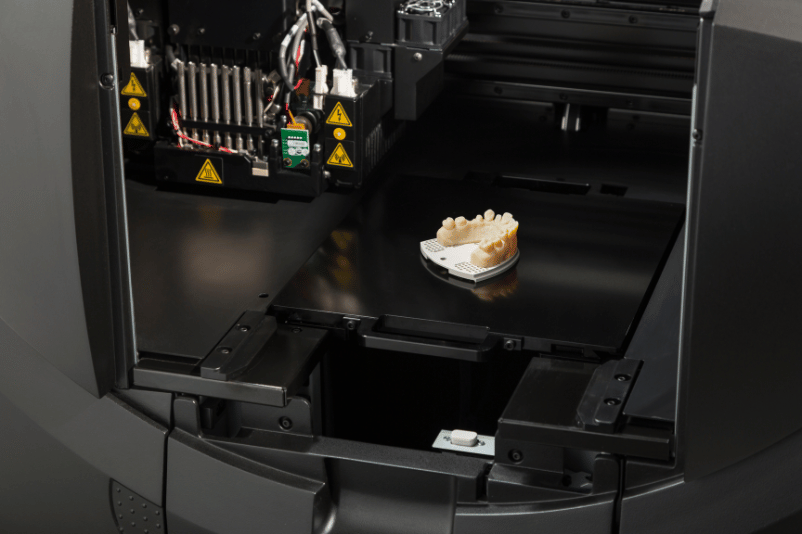
3D printing technology has revolutionized the field of digital dentistry. With the application of 3D printers, 3D scanners, and specialized CAD/CAM software, 3D printing in dentistry has completely transformed how we produce dental models, dentures, and surgical guides.
One of the biggest benefits of 3D printing technology in dentistry is the creation of highly aesthetic and personalized models. From diagnosis and treatment to orthodontics, this technology provides optimal efficiency and reduces the costs of dental examinations, treatments, and orthodontics. Additionally, 3D printing technology accelerates the process and enhances productivity with advanced 3D printers.
The process of using 3D printing technology in dentistry is very straightforward. Pre-designed data and specialized printing materials are used to create products that meet customers’ expectations. It is noteworthy that while 3D printing technology in dentistry was not widely used in the past due to high production costs, it has now become more popular and beneficial than ever with the development and advancement of technology.
The Process of Applying 3D Printing in Dentistry
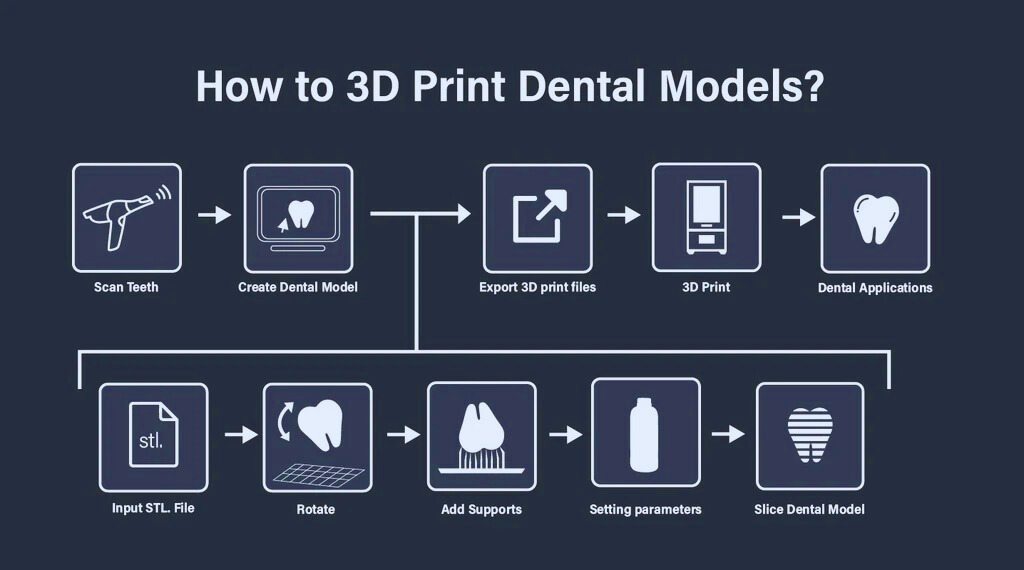
3D Scanning
Begin by digitally scanning the patient’s mouth using one of the following 3D scanners: an intraoral 3D scanner (the most modern technology available) or a 3D scanner for molds or plaster models (traditional plaster molds).
Design
After the 3D scan is complete, the digital images of your teeth are uploaded to design software (CAD), such as Exocad or software compatible with your 3D printer. There are many dental CAD programs that integrate with most major 3D printer brands. Choose the software that best matches your skill level (and that of your staff).
Next, if your dental software does not automatically do this (most do), you will upload your design files to the “slicer” software that comes with your printer or compatible software. The slicer software converts your digital model into a 3D printing instruction file for the printer.
3D Printing
Based on the scanned 3D file, the 3D printer will automatically complete the printing process. You just need to wait until the printed dental model is finished.
Cleaning
After printing, clean the model with alcohol and dry it using a specialized dryer.
The Process of Applying 3D Printing in Dentistry
Sharing the process of applying 3D printing in dentistry, from 3D scanning to the completion of the printed dental model. This is an advanced and efficient process for producing high-quality dental models.
3D Scanning
The process begins with digitally scanning the patient’s mouth using one of the modern 3D scanners such as an intraoral 3D scanner or a 3D scanner for molds or plaster models. This 3D scanning process helps create an accurate digital image of the patient’s teeth.
Design
After the 3D scan, the digital images are uploaded to design software (CAD) like Exocad or similar software compatible with your 3D printer. This dental CAD program integrates with top 3D printer brands, allowing you to create high-quality dental models.
3D Printing
Based on the scanned 3D file, the 3D printer will automatically perform the printing process. You just need to wait until the printed dental model is complete. This 3D printing process ensures high accuracy and detail.
Cleaning
After printing, the dental model is cleaned with alcohol and dried using specialized dryers. This ensures that the dental model is finished and ready for the next steps.
Dental 3D Printers: Features, Advantages, and Applications
Dental 3D printers are an advanced technology that allows for the creation of customized, precise, and flexible dental products. With the ability to produce items from 3D design files, dental 3D printers offer numerous benefits to the dental industry.
Creating Custom Products
Dental 3D printers enable the creation of customized dental products for each patient. From dentures and fixed prosthetics to temporary molds, every product can be tailored to meet the individual needs and preferences of patients.
High Precision
Dental 3D printers ensure high precision in the production of dental products. Compared to traditional milling technologies, the precision of dental 3D printers is a significant advantage.
Fast Production Speed
With dental 3D printers, dental models can be created in a short amount of time. This helps save time for dentists and quickly meet patient needs.
High Flexibility
Dental 3D printers have the capability to produce products from a variety of materials. From plastics and metals to fiberglass, this flexibility opens up many opportunities and choices in the design and production of dental products.
Reduced Production Costs
Dental 3D printers help reduce the cost of producing dental products compared to traditional methods. This not only reduces material costs but also minimizes waste and optimizes the production process.
High Durability
Products created by dental 3D printers are highly durable and can be used for a long time. With reliable quality and durability, dental products from 3D printers are trustworthy and meet patient requirements.
Criteria for Choosing a Dental 3D Printer
When selecting a 3D printer for dental applications, several factors need to be considered. First, determine what you want to print, the quantity needed daily or weekly, and the required speed for producing parts. Budget and the level of automation or versatility are also important factors. It all depends on your needs. Are you just starting out, or are you looking to expand or upgrade your operations?
Additionally, you should consider the level of service and support from the manufacturer and which dental software is compatible with the printer. You can request a sample print from the manufacturer to evaluate the detail, surface finish, and durability.
When asked to rank the criteria for selecting a 3D printer, dental professionals who responded to surveys from 3D printer manufacturers considered the following factors important:
- Accuracy
- Reliability and Maintenance
- Return on Investment
- Total Cost of Ownership
- Material Quality
- Affordability (the most important criterion)
When choosing a 3D printer for your dental needs, consider these criteria to ensure you select a printer that meets your requirements and expectations.
A Comprehensive Guide to the Best Dental 3D Printers Available Today
Elegoo Saturn 2
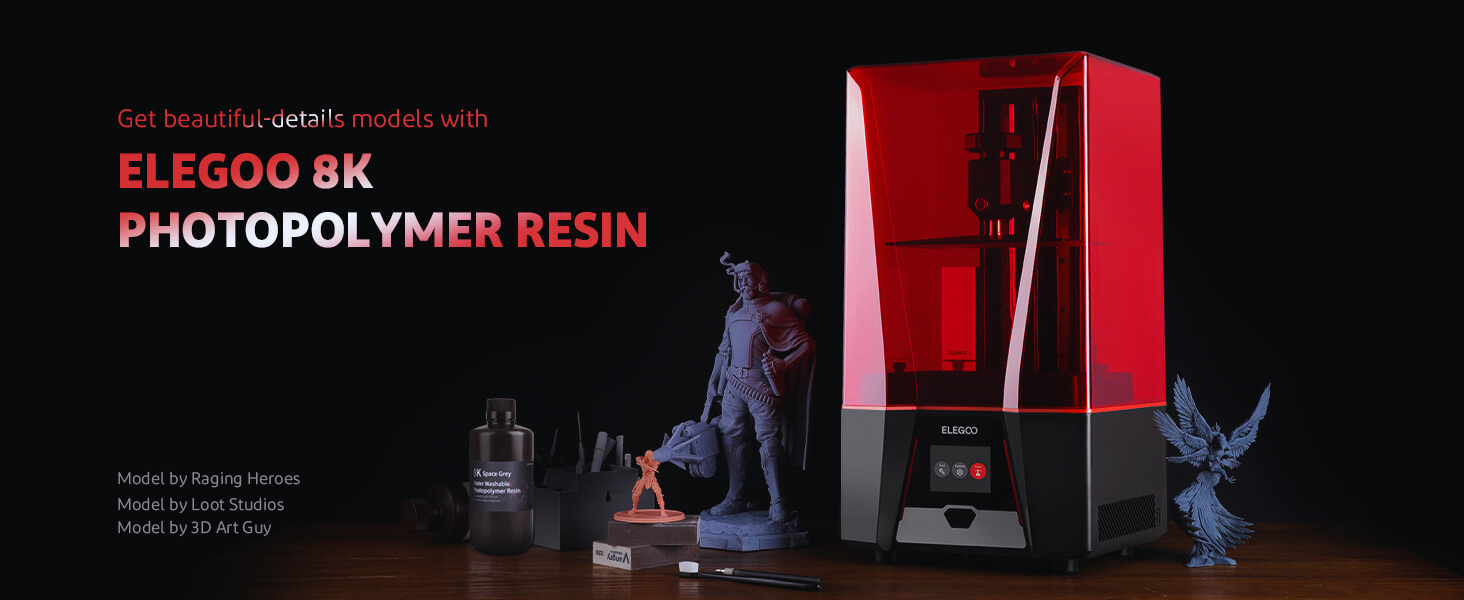
Elegoo Saturn 2 Dental 3D Printer
The Elegoo Saturn 2 with 8K resolution and absolute precision represents a new advancement in the 3D printing industry. Featuring a 10-inch monochrome LCD screen with a resolution of 7680 x 4320 pixels, this printer can produce objects with an XY accuracy of 28.5 microns. Notably, the screen is developed by Innolux, a subsidiary of the Foxconn Technology Group, and comes with scratch-resistant tempered glass for protection.
With a large print area and build volume of 219 x 123 x 250 mm, the Elegoo Saturn 2 offers the ability to print large-sized products easily and efficiently. Additionally, the printer uses proprietary Fresnel light source technology, providing uniform light beams and enhancing print quality.
The dual linear rails on the Z-axis of the Elegoo Saturn 2 ensure high stability and smoother motion, especially when handling large print volumes.
With its outstanding features and advanced technology, the Elegoo Saturn 2 is an excellent choice for high-quality 3D printing needs in the dental field.
Elegoo DLP Mars 4
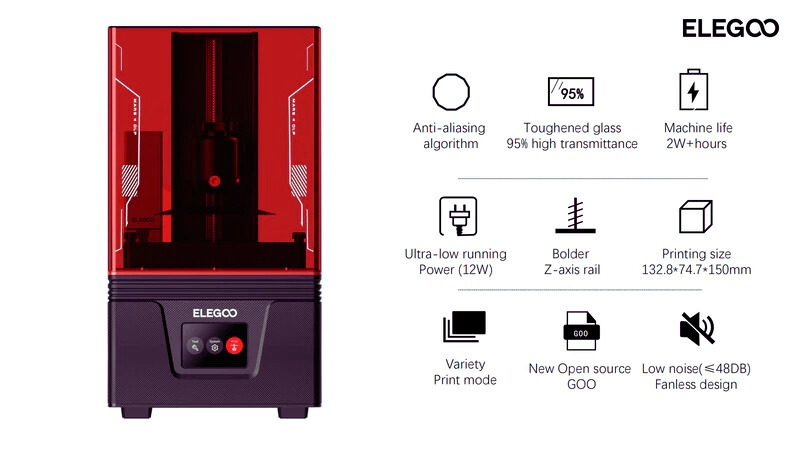
Elegoo DLP Mars 4 3D Printer
The Elegoo DLP Mars 4 is a device utilizing advanced Digital Light Processing (DLP) 3D printing technology. Featuring a 13-layer lens assembly and a high-power light source from LG, this printer ensures extremely high accuracy during the printing process. Notably, the Elegoo Mars 4 DLP printer boasts a light intensity of 4mw/cm², which is ten times higher than other printers. Additionally, this printer is supported by a DLP projector with a lifespan of up to 20,000 hours, reducing maintenance costs. With advanced DLP technology, the Elegoo Mars 4 DLP delivers high accuracy and vivid details in 3D printing.
Stratasys
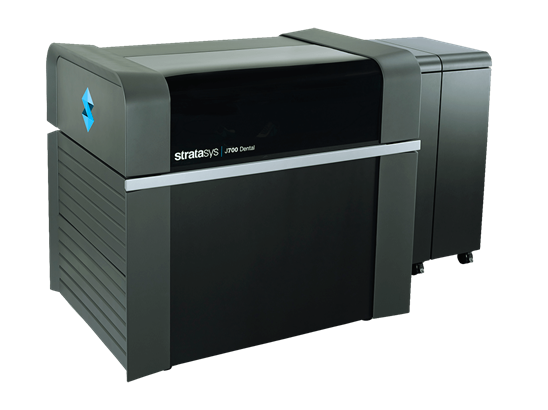
Stratasys – The Global Leader in 3D Printing, Especially Focused on the Dental Care Industry
Stratasys is a global leader in 3D printing, with a special focus on the dental care industry. We offer top-of-the-line industrial PolyJet multi-material printers, including the J5 DentaJet and J700 Dental, serving large laboratories.
J5 DentaJet is a multi-color, multi-material printer designed for customers needing to print large quantities of precise dental models. Notably, the J5 DentaJet can print both soft and hard materials simultaneously. With the J5 DentaJet, you can print an opaque hard dental model, a soft gingival mask, and a biocompatible clear surgical guide—all in a single print run.
We provide a full range of biocompatible dental resins for the J5 DentaJet, including flexible resin, clear resin, VeroGlaze opaque white (temporarily used in the mouth), VeroDent PureWhite, CMY color resins, and transparent resin. Additionally, we offer the digital material Separator, which simplifies the process of separating acrylic devices from dental models by automatically coating the model and then removing wax and residue.
With the variety and quality of our 3D printing products, Stratasys is confident in being a reliable partner for dental laboratories and will continue to contribute to advancements in this field.
SprintRay
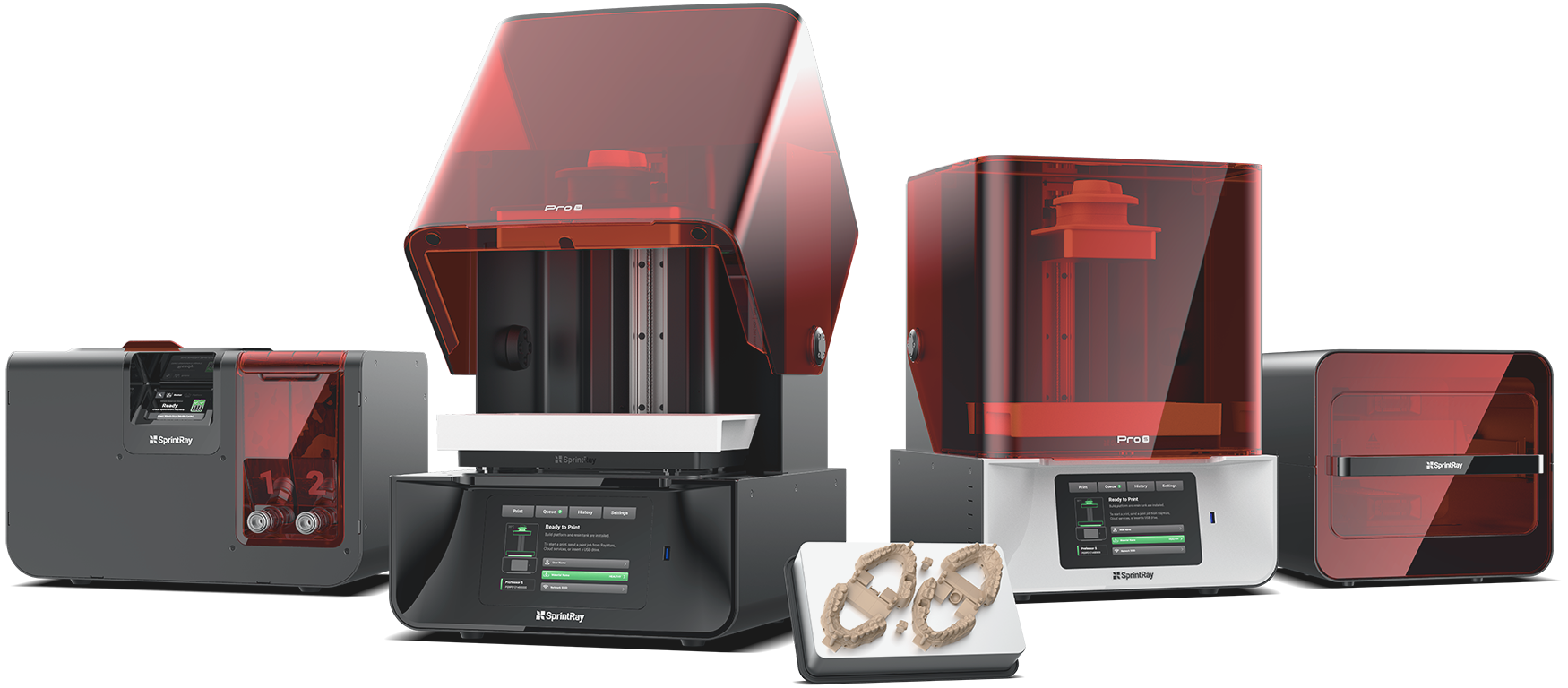
SprintRay is a company specializing in the production of 3D printers for the dental industry. With the introduction of its latest printer, the SprintRay Pro S, in January 2022, SprintRay has affirmed that this printer excels in both speed and print quality. The Pro S has been enhanced with an advanced consumable management system, dual heating system, and 10% higher print accuracy. The SprintRay Pro S can be purchased in two configurations, Pro 95 S and Pro 55 S, representing their respective micron resolutions. Each printer comes with a bundle of resin for $8,995 on the company’s website.
In April 2022, SprintRay launched SprintRay Crown Hybrid Material, a ceramic-filled material that enables convenient production with a material cost of only $2. This material has received FDA 510(k) clearance, ensuring safety and quality. The company also offers cloud-based processing and design management software, allowing for easy planning and handling of 3D printing processes. SprintRay Pro integrates with third-party CAD/CAM software, enabling dental professionals to design and 3D print surgical guides in under 30 minutes, quickly meeting patient needs.
With SprintRay, you can trust in the high quality and performance of their dental 3D printers. Explore this advanced printing technology today to experience its benefits firsthand.
Desktop Health
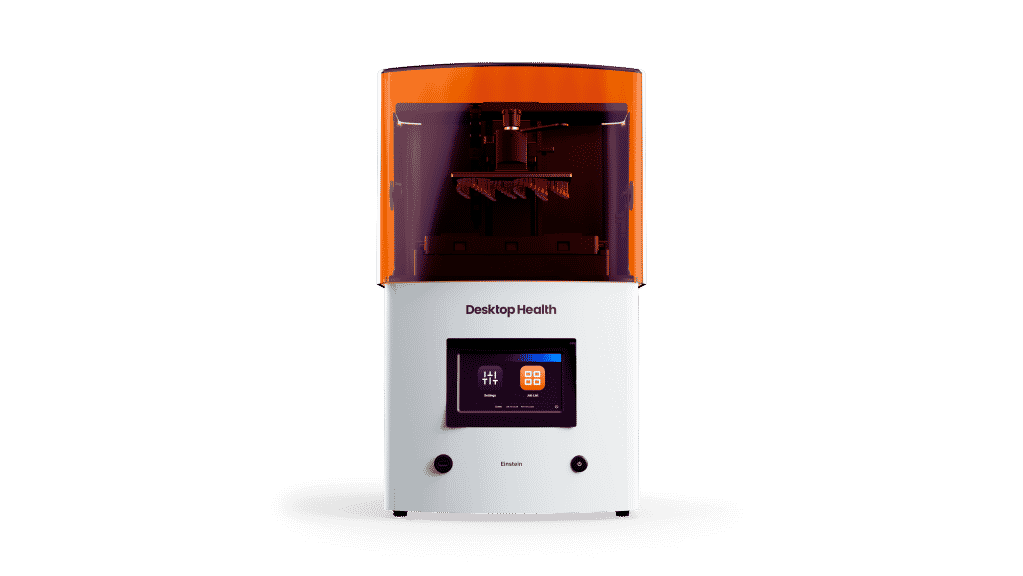
Desktop Health: Leading Provider in Dental Solutions
Desktop Health is a leading provider in the dental field, offering reliable products and services for dental laboratories. With a range of advanced and high-speed 3D printers, including the new Flexcera line featuring multiple biocompatible materials approved by the FDA and CE, Desktop Health delivers the capability to produce a variety of high-quality dental devices.
New products like the Einstein series from Desktop Health, equipped with advanced technology and upgraded software, ensure superior speed and accuracy. This results in printing speeds up to 50% faster than previous versions from EnvisionTec, a company acquired by Desktop Metal in 2021.
Desktop Health is committed to meeting the high standards of the healthcare industry and providing significant benefits to its current customers. With strong financial backing from Desktop Metal, Desktop Health continues to research and develop cutting-edge and reliable solutions for the dental industry.
Rapid Shape
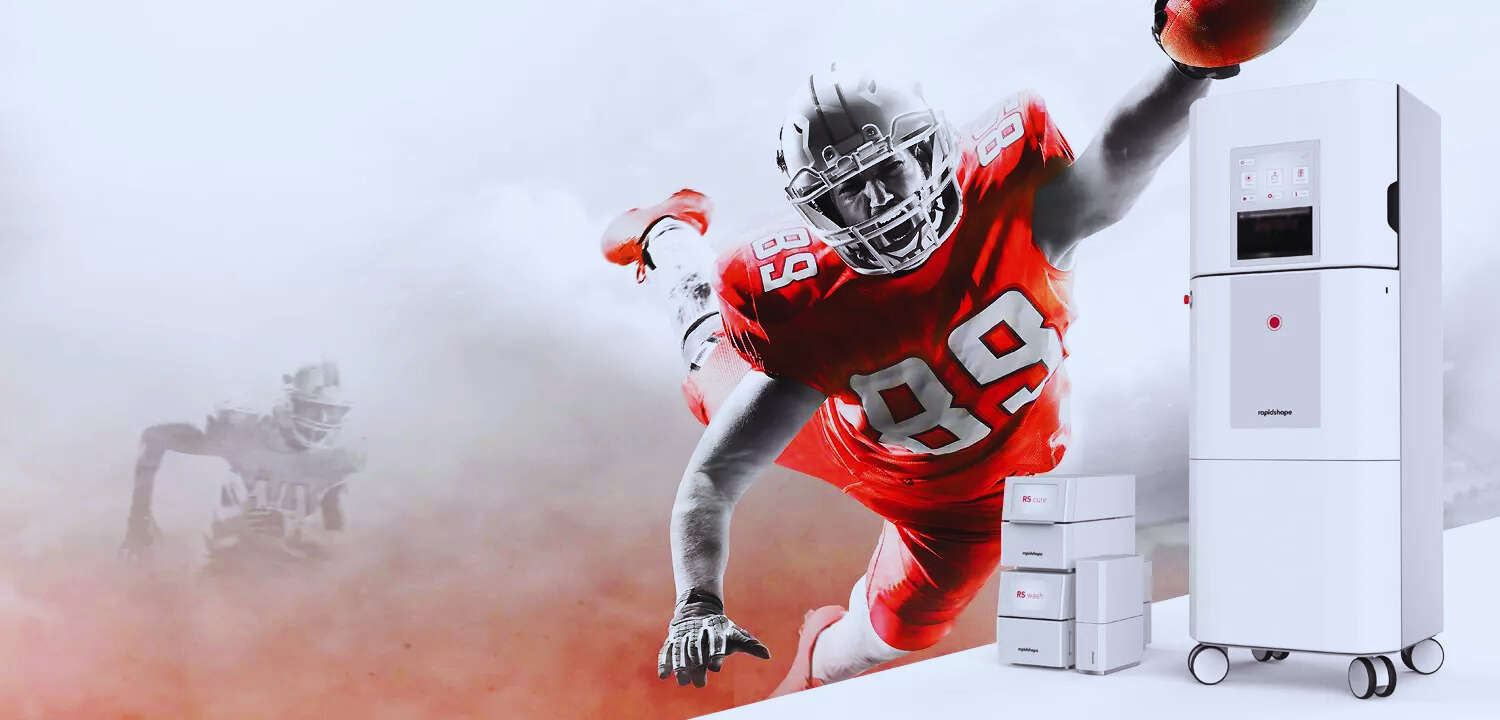
Rapid Shape: Leading Provider of 3D Printers for the Dental Industry
Rapid Shape is a leading provider of 3D printers for the dental industry. The company offers a range of printers suitable for both dental offices and laboratories. With models like the D10+ and D20+, we offer the ability to easily perform on-site 3D printing without requiring specialized knowledge.
Our D20+ printer is designed with a resin tank and container that do not produce any residue. Additionally, the printer can be upgraded to an open material system. If you are looking for higher speed and automation, the D3, D40, D70, D90, and D100 models will be perfect choices for your dental laboratory.
Rapid Shape not only provides high-quality printers but also collaborates with leading material manufacturers like Dreve and Keystone Industries to offer a wide selection of biocompatible resins.
Contact us for consultation and to choose the 3D printer that best meets your needs. Rapid Shape will be your reliable partner in advancing 3D printing technology in the dental industry.
Asiga
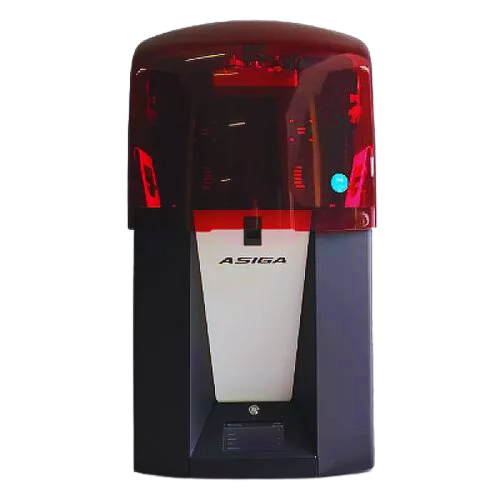
Asiga is a manufacturer of 3D printers renowned for their precision and safety in dental restorations and orthodontics. They offer a unique open material system compatible with over 350 materials from leading manufacturers worldwide. This provides maximum flexibility and productivity in the production process.
The Asiga PRO2 3D printer can connect with multiple computer operating systems and various 3D model file formats, including exoprint from exocad and 3Shape Implant Studio. This allows users to manage multiple builds simultaneously and enjoy user-friendly features. Asiga also provides lifetime free software updates, ensuring customers always have the latest version and best support.
With these outstanding advantages, Asiga is a top choice for dental and orthodontic professionals. The precision, consistency, and safety of Asiga 3D printers ensure that patients receive high-quality and reliable dental products.
Kulzer
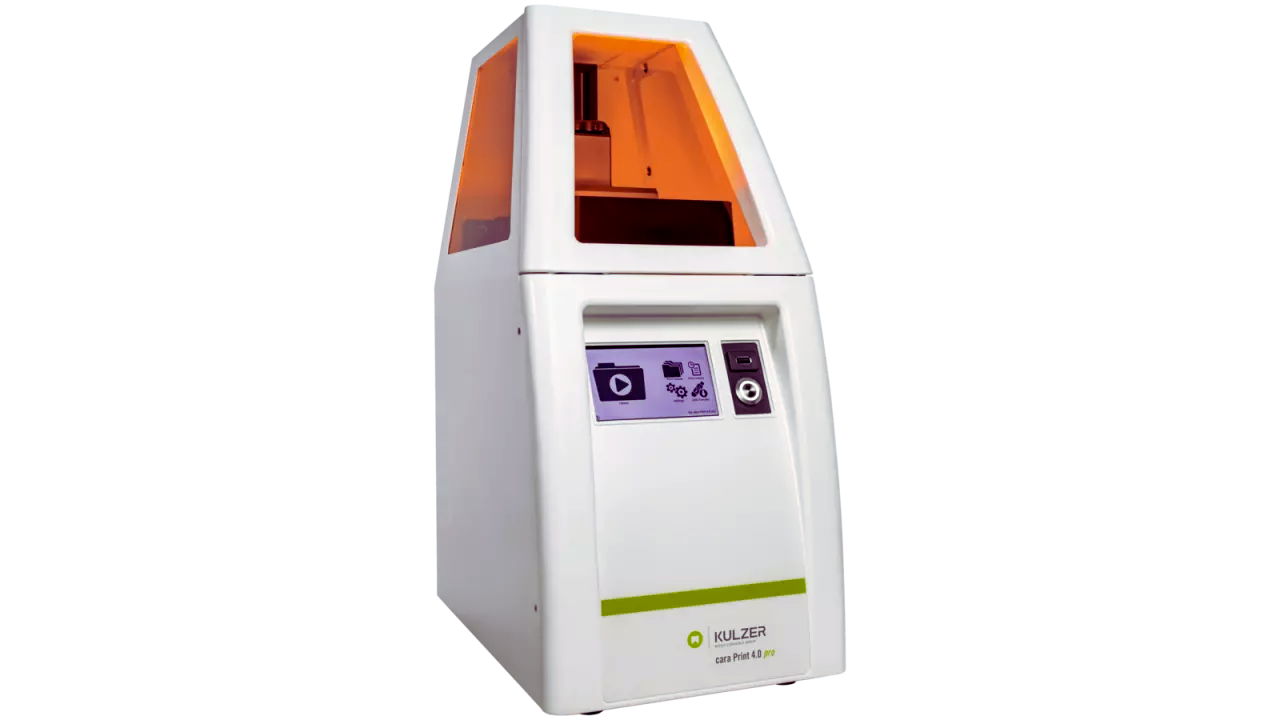
Kulzer is one of the few top dental product providers with extensive expertise in 3D printing. With the advanced technology of Cara Print 4.0, Kulzer offers an economical and efficient method to produce dental devices from polymers right in your own office. Not only is it a cost-effective alternative to traditional milling methods, but Cara Print 4.0 also provides a more competitive price compared to other 3D printers on the market, while meeting all accuracy requirements.
Cara Print 4.0 features automatic speed adjustment, ensuring high precision and superior print speed, often exceeding 100 mm/hour. You can flexibly adjust the layer thickness to achieve an optimal balance between accuracy and speed. This allows you to optimize the production process for devices that do not require high precision, minimizing time and increasing productivity.
Kulzer’s printer software is compatible with popular CAD software such as Cara CAD, Dental System (3Shape), DentalCAD (exocad), or DWOS CAD (Dental Wings). This makes it easy and flexible to work with the design tools you are already familiar with.
With consultation and support from Kulzer, you can trust that you are using the most advanced technology to produce high-quality dental devices. Experience Cara Print 4.0 and explore the unlimited potential it brings to your work.
Formlabs
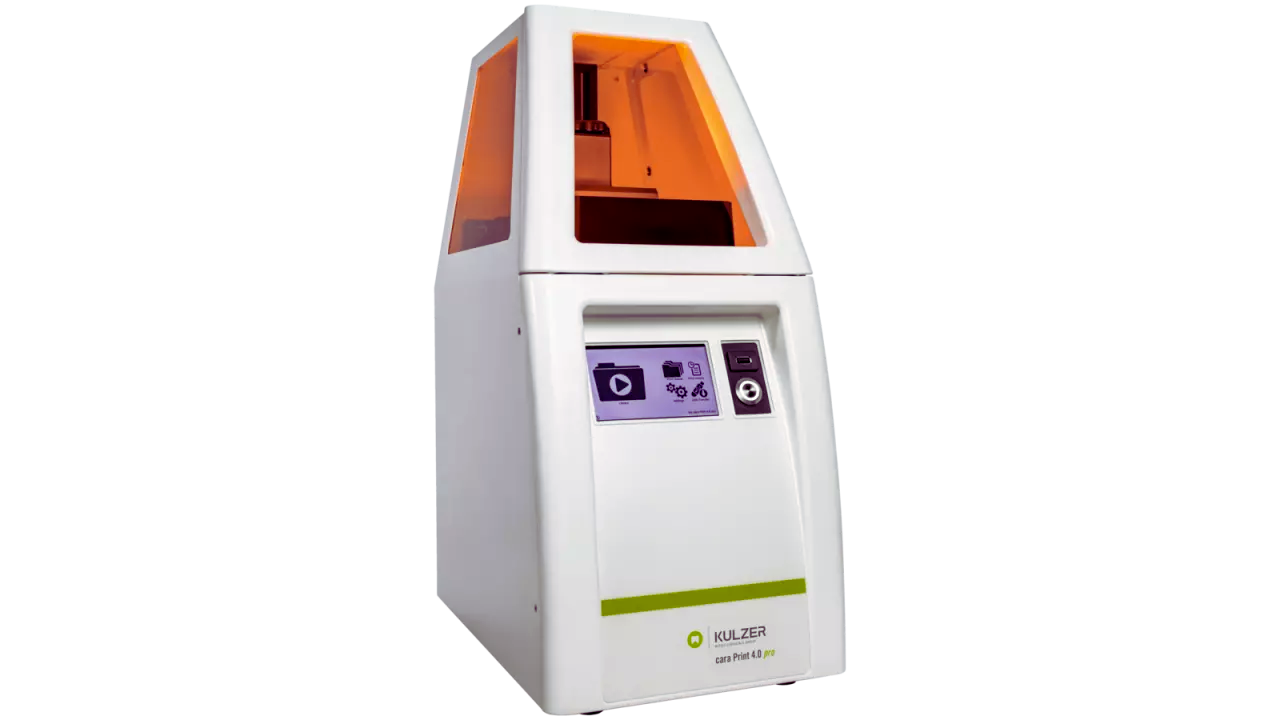
Earlier this year, Formlabs added a ‘+’ to the end of the existing model names and quietly replaced the Form 3 and Form 3B (designed for dental and healthcare applications) with the new Form 3+ and Form 3B+.
Both printers feature Formlabs’ Low Force Stereolithography (LFS) technology for printing highly detailed parts at a 100-micron resolution.
Two other enhancements contribute to faster printing on the Form 3+. One is the company’s “expansion” of a feature called Adaptive Layer Thickness, which analyzes the shape of parts and assigns layer heights throughout the sliced model, using thicker layers to maximize print speed in some areas of the print while using thinner layers to preserve fine details of the model. This feature is now available for use with all Formlabs resins.
The second speed-enhancing upgrade is the manufacturing process and hardware that allow for tighter coupling between the Light Processing Unit (LPU) and the build platform. This enables the printer to provide less laser exposure for the first layers, reducing print time by 5 to 15 minutes in the first few layers of the print.
While it does not improve print speed, the new preheating feature helps accelerate the overall time required to produce parts. Previously, preheating the build chamber would only begin after the user confirmed the print on the touchscreen. But now, preheating will start after the printer receives the print command.


