


News
What are the advantages and disadvantages of Invisalign?
Information provided by the Director of Viet Dental Lab
Invisalign and Clear Aligner braces are two types of clear braces highly regarded for their advanced technology, aesthetic appeal, and shorter treatment time compared to traditional methods. However, the high cost is a significant barrier when considering clear braces.
What are clear braces?
Clear braces, also known as removable braces, non-fixed braces, non-bracket braces, or invisible braces, are an advanced orthodontic technique that is barely noticeable when in use. Currently, there are two popular types of clear braces:
- Invisalign Clear Braces: Introduced in 1997 in the USA, this method typically requires the use of 25-40 clear aligners during the treatment process. Invisalign aligners are produced based on a 3D simulation of the teeth and work in conjunction with the dentist to create aligners tailored to the treatment process. The number of aligners used in the treatment depends on the specific case.
- Clear Aligner Braces: Similar to Invisalign, but produced in Vietnam. Clear Aligner braces use ultra-small, clear aligners and brackets to move the teeth, allowing for orthodontic treatment without the need for traditional braces.
Among these, the Invisalign technique is the most preferred.
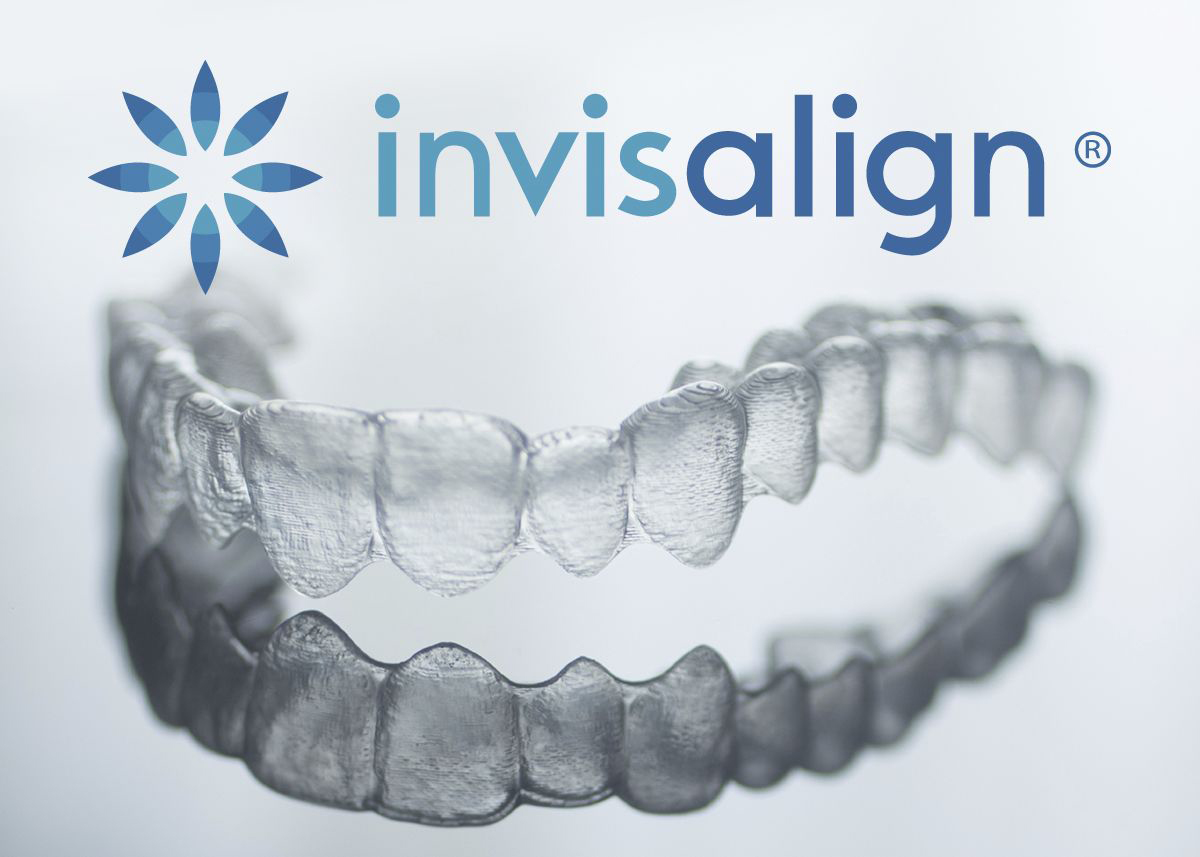
Advantages of Clear Braces
Here are the prominent advantages of clear braces:
- High Effectiveness: They can create straight, well-aligned teeth. In some cases, clear braces can provide better orthodontic results compared to traditional braces.
- Aesthetic Appeal: The clear aligners are almost invisible, making them less noticeable when worn.
- Convenience: The aligners can be easily removed, making eating and oral hygiene more convenient. Unlike traditional braces that must be worn continuously for 1-2 years, clear braces can be taken out daily for oral care or as needed.
- Comfort: The aligner material is friendly, thin, and fits well with the structure of each individual’s teeth, without causing discomfort or injury in the mouth like traditional braces.
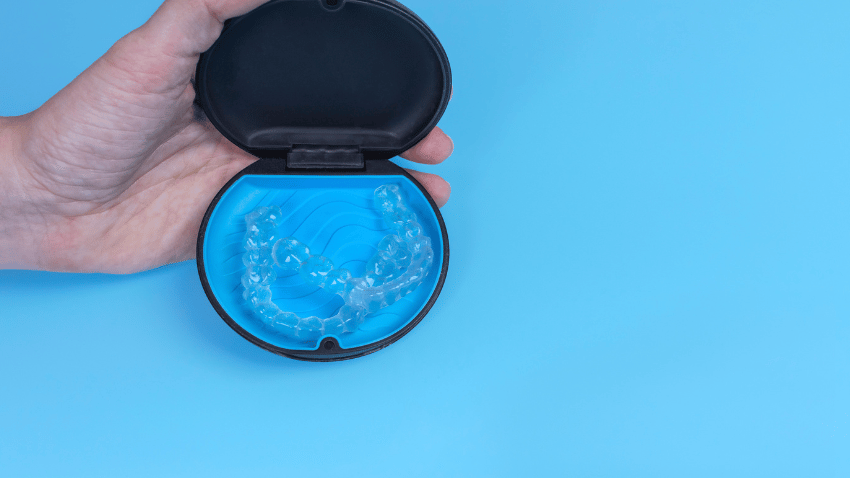
- Easy Oral Hygiene: Clear braces make it easy to maintain oral hygiene and reduce the risk of dental issues during treatment.
- Improved Bite and Chewing Function: They help enhance the bite and chewing function.
- Effective Tooth Movement Control: During the treatment process, clear braces precisely control and adjust tooth movement, ensuring the best orthodontic results.
Disadvantages of Clear Braces
In addition to their outstanding advantages, clear braces also have some disadvantages:
High Cost: Compared to traditional braces, clear braces are more expensive, which can make them unaffordable for some people.
Limited Application: Clear braces are not suitable for all orthodontic cases. In some complex situations, traditional braces may be a better option.
Strict Compliance Required: To achieve the best results, clear braces users need to strictly follow the dentist’s instructions, including wearing the aligners for the specified duration, removing them only when necessary, and maintaining proper oral hygiene.
These are some of the pros and cons of clear braces. Before deciding to use clear braces, consult with a specialist to choose the method that best suits your dental condition.


